
What Poverty Teaches Children to Accept
Last night at the juvenile center, a young man asked me a question that caught me completely off guard.
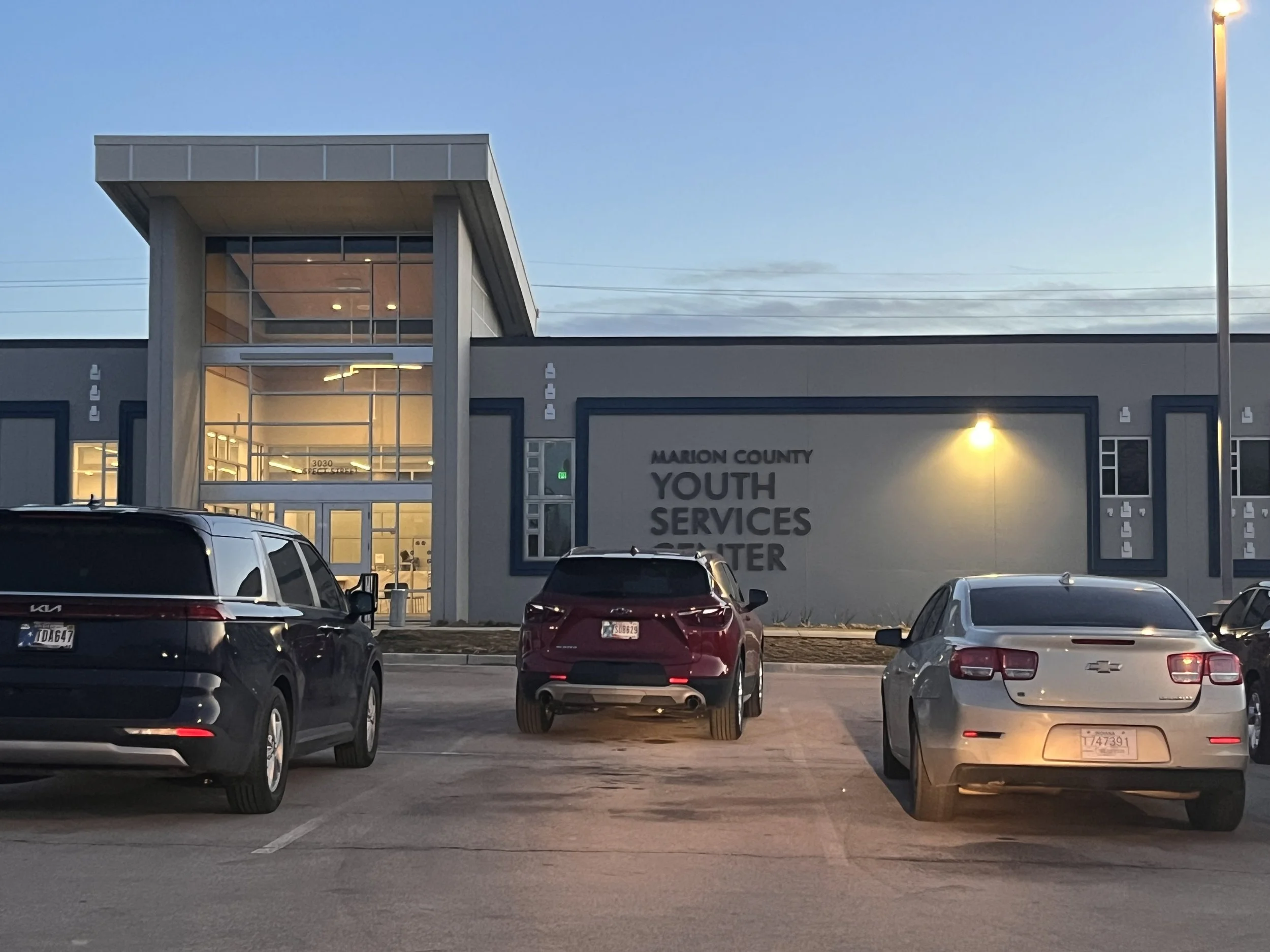
He asked if our church served McDonald’s.
At first, I honestly thought he was joking. I looked at him with confusion, unsure if he was trying to be funny. But his face never changed. There was no smirk, no sarcasm. He was serious.
As he continued talking, the truth came out. He explained that he was being raised by his grandmother and that he was tired of eating pizza rolls and ice cream for dinner. Not as snacks — as meals. That’s what they had. That’s what was available. And to him, McDonald’s represented something better. Something special. Something he didn’t normally get.
That moment stopped me.
What struck me wasn’t just his honesty — it was how low his expectations had been trained to be. When fast food becomes a luxury, you’re not just dealing with hunger. You’re dealing with a child whose understanding of normal has been quietly reshaped by poverty.
Standing on the Far Eastside, this isn’t abstract to me. I’ve seen it firsthand. I’ve watched families fill shopping carts at Dollar General — chips, soda, ice cream, frozen pizza rolls. Not because they don’t care, but because that’s what’s close, affordable, and familiar. For many families, Dollar General is the grocery store.
That conversation opened my eyes in a deeper way. Many of these kids are eating, but they are not being nourished. Their bodies, their minds, and their emotions are running on fuel that was never meant to sustain them. And over time, that lack of nourishment affects everything — focus, behavior, health, hope.
What stayed with me most is this:
That young man didn’t complain. He didn’t ask for steak. He didn’t ask for much at all. He had simply learned to accept less — and to call it normal.
I left that session reminded that ministry isn’t just about preaching salvation. It’s about seeing people clearly. Sometimes the gospel shows up as a conversation. Sometimes it shows up as a meal. And sometimes it shows up as realizing that what we take for granted feels like abundance to someone else.
I believe God allowed me to hear that question for a reason.
When Boys Hit Puberty: Why Communication Gets Hard — and What Parents Can Do
There’s a quiet shift that often happens when boys reach about 12 years old.
Mothers who once felt close to their sons begin to feel a new kind of distance. Conversations become shorter. Emotions get harder to read. Attitudes may change. Sudden silence replaces open communication.
Many moms wonder:
What happened to my little boy?
In most cases, the answer is simple — and complicated:
Puberty has begun.
Understanding What’s Really Happening
Puberty isn’t just about physical development. Yes, voices change, bodies grow, and energy levels surge — but beneath the surface, something deeper is happening:
Hormones are shifting moods
Emotional awareness is evolving
Identity discovery is accelerating
Social pressure and insecurity increase
The need for independence grows
What once felt safe to discuss now feels awkward or confusing for a young boy. Many boys don’t yet have the language for what they’re feeling, so instead of expressing it, they withdraw.
To mothers, this sudden emotional distance can feel personal — like rejection or defiance. But in reality, many boys are simply trying to figure themselves out.
The connection hasn’t disappeared —
it’s just entering a new phase.
Why Communication Breaks Down
Boys going through puberty often struggle to express:
Embarrassment about physical changes
Uncertainty about masculinity
Confusion from sexual development
Pressure to “be tough” or hide emotions
Fear of being misunderstood
Instead of talking, they shut down.
To many moms, this silence feels alarming. But it’s important to understand:
Silence does not equal disconnection — it often means emotional overload.
The Importance of Positive Male Mentorship
This is where intentional mentoring becomes powerful.
During puberty, boys benefit greatly from having safe, consistent male role models who can walk with them through these transitions — men who can say:
“What you’re feeling is normal.”
“It’s okay to ask questions.”
“You’re not alone.”
Many boys simply need a trusted man to help translate their experiences — someone who understands the emotional shifts of manhood because he has lived them.
At Good Ground, this is why mentorship matters so deeply. We provide boys:
Consistent male guidance
Trauma-informed emotional support
Life-skills coaching
Safe spaces to talk freely without judgment
When boys feel seen, communication opens again — not only with mentors, but often back with their mothers too.
Encouragement for Mothers
To every mother feeling concerned or disconnected — you are not failing.
Your son is not pushing you away because he doesn’t love you. He’s navigating a developmental storm — one that can be confusing, uncomfortable, and overwhelming.
Here’s how you can support him:
Stay patient – don’t force difficult conversations
Remain available – presence matters more than words
Create moments – short car rides and walks are easier times to talk
Avoid judgment – listening builds trust
Lean on support – mentorship helps fill the emotional gaps
Remember:
Your love is still the anchor — even if your son doesn’t know how to express it yet.
Good Ground Gives Back: Free Haircuts for Kids at the Fall Festival
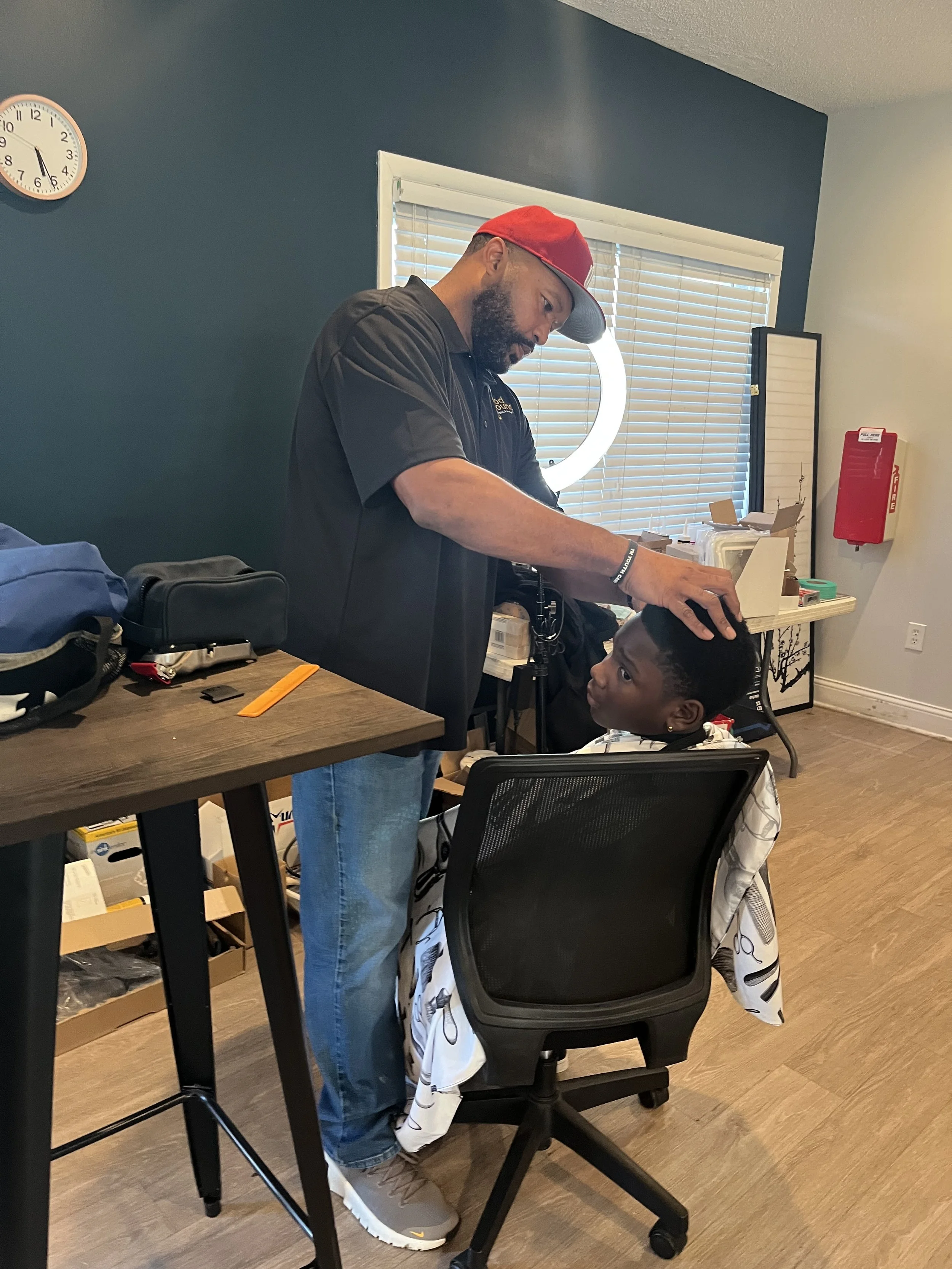
This weekend, Good Ground had the privilege of serving families at a local apartment complex’s Fall Festival — and it was something special. In the middle of games, music, and pumpkins, one quiet corner turned into a place of confidence, care, and connection: our free haircut station for the kids.
The moment we arrived, the line began to form. Kids who hadn’t had a fresh cut in a while sat down with shy smiles, and by the time they stood up, something changed. A clean haircut doesn’t just shape the outside — it lifts the inside. It tells a young man, “You matter. You’re worth the time. You deserve to feel your best.”
The photo above captures the heart of the day: one of our barbers leaning in with patience and skill, giving a young boy the kind of attention so many kids go without. In that chair, these boys weren’t just customers — they were valued, seen, and celebrated.
For many families in underserved communities, a simple haircut can feel out of reach. That’s why Good Ground shows up — to remove barriers, meet needs, and create moments that strengthen our young men. Whether it’s mentorship, a conversation, or a free haircut, every touchpoint helps plant seeds of confidence and hope.
We are grateful for every volunteer, every parent who brought their child, and every partner who helps make these moments possible. This is what community looks like. This is what Good Ground stands for.
planted for peace: a hopeful future for the far eastside
It all begins with an idea.
The Far Eastside of Indianapolis is a community rich in potential, culture, and resilience. But it’s also a place burdened with complex issues: rising gun violence, fatherlessness, poverty, and a lack of safe spaces for young people to thrive. At Good Ground, we believe we are not called to just point out problems—we are called to plant solutions.
The Challenge
You don’t have to look far to see what our community is facing:
Violent crime rates remain high, especially among youth.
Many boys are growing up without fathers—whether due to incarceration, abandonment, or other struggles.
Single mothers are stretched thin, trying to play every role.
Underfunded schools and few mentorship opportunities leave teens vulnerable to the streets.
These are not just stats—they’re stories. These are our neighbors, our kids, our future.
Our Response: Planted for Peace
Good Ground is committed to breaking the cycle, one young man at a time.
We provide:
One-on-one mentorship rooted in love, structure, and accountability.
Trauma-informed care for boys who have experienced abuse, loss, or neglect.
Youth leadership development that promotes responsibility and confidence.
Juvenile and jail ministry that doesn’t give up on those already caught in the system.
Community mobilization efforts, like our Planted for Peace initiative, designed to reduce gun violence through mentoring, intervention, and collaboration with parents, churches, and schools.
Real Hope. Real Change.
We’re seeing results. Boys once labeled “troubled” are now becoming leaders in their homes and schools. Mothers feel supported. And most importantly, the community is beginning to see that God hasn’t forgotten the Far Eastside.
You Can Help
Whether you’re a parent, pastor, business owner, or neighbor—you have a role to play. Join us in mentoring, sponsoring, or simply spreading the word.
Let’s not just talk about what’s wrong. Let’s plant what’s right.